Um conector RJ45 de baixo perfil é um conector Ethernet compacto projetado para reduzir a altura das interfaces de rede em uma placa de circuito impresso (PCB). Ao contrário dos conectores RJ45 convencionais montados na parte superior, ele usa uma estrutura de montagem intermediária ou tipo afundado que reduz o conector em um recorte de PCB, permitindo dispositivos eletrônicos mais finos, mantendo total compatibilidade Ethernet IEEE 802.3.
UMconector RJ45 de baixo perfilé um componente especializado de placa de circuito impresso projetado para minimizar a altura vertical das interfaces de rede. Ao utilizar um design tipo afundado ou de montagem intermediária que coloca o conector em um recorte de PCB, esses conectores permitem que os engenheiros de hardware projetem dispositivos ultrafinos sem sacrificar as conexões Ethernet com fio compatíveis com IEEE 802.3. Este guia explora as dimensões mecânicas, o magnetismo integrado e os critérios de seleção para projetos Ethernet compactos.
🟢 O que é um conector RJ45 de baixo perfil?
Um conector RJ45 de baixo perfil é um conector Ethernet modular fêmea projetado especificamente para reduzir o perfil do eixo Z em uma placa de circuito impresso. Ao contrário dos conectores tradicionais montados na parte superior, uma variante de perfil baixo afunda parcialmente ou fica nivelada com a placa, minimizando a altura máxima do componente acima da superfície da PCB.
Na engenharia de hardware, o perfil do eixo Z refere-se à altura vertical dos componentes que se projetam da placa de circuito. Gerenciar essa dimensão é fundamental ao projetar gabinetes compactos. Um conector RJ45 padrão normalmente determina a espessura mínima do chassi de um dispositivo devido à sua interface física rígida 8P8C (8 posições, 8 contatos). Os conectores de baixo perfil contornam essa limitação por meio de engenhosidade mecânica, empregando uma configuração de montagem intermediária onde o centro do conector se alinha com o plano da PCB, em vez de ficar inteiramente sobre ele.
Principais características de um conector RJ45 de baixo perfil
Um conector RJ45 de baixo perfil é caracterizado por sua altura reduzida acima da placa, design mecânico compacto e compatibilidade com interfaces Ethernet padrão. Comparado com os conectores RJ45 convencionais, ele minimiza o perfil do eixo Z enquanto mantém a conformidade com os padrões IEEE 802.3, tornando-o ideal para dispositivos eletrônicos com espaço limitado.
Suas principais características incluem:
Altura reduzida:Tipicamente8,5–11,5 mm acima da PCB, comparado com13,5–16,0 mmpara conectores RJ45 padrão.
Design de montagem intermediária ou tipo afundado:Parcialmente embutido em um recorte de PCB para economizar espaço vertical.
Interface 8P8C padrão:Totalmente compatível com plugues e cabeamento Ethernet padrão.
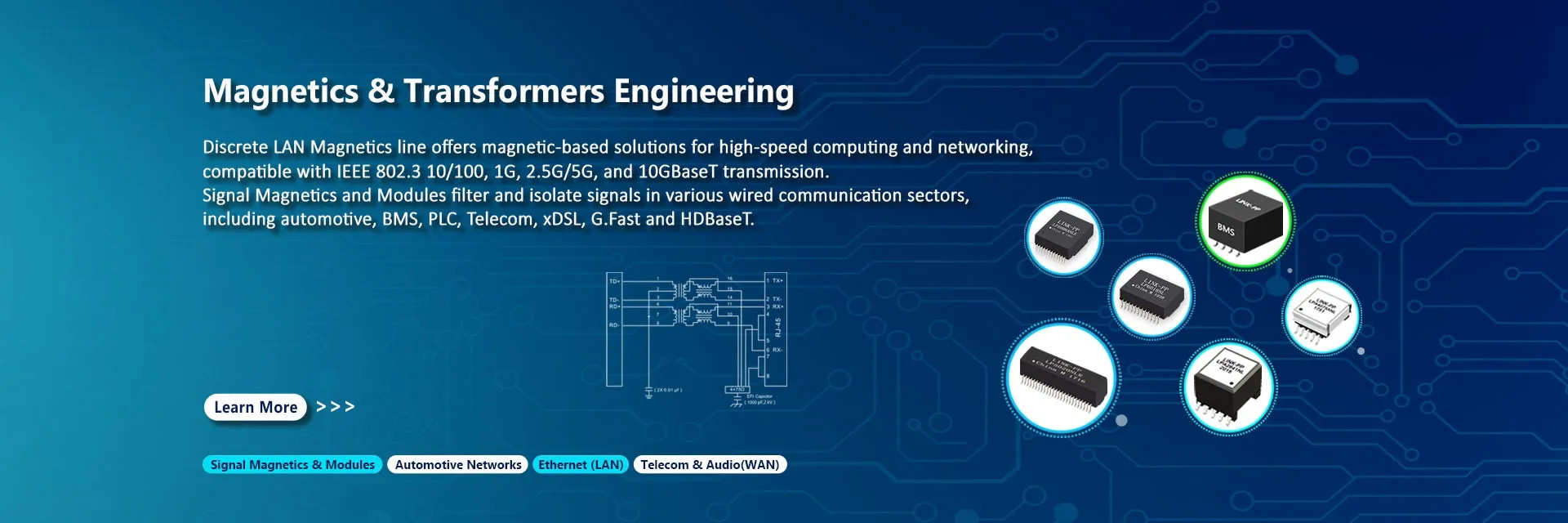
Magnética Integrada(Opcional):Combina transformadores Ethernet e bobinas de modo comum no conector para reduzir a contagem de componentes da PCB.
Blindagem EMI:A blindagem metálica e as abas de aterramento ajudam a melhorar o desempenho de EMC e a integridade do sinal.
MúltiploTipo de montagemOpções:Disponível emTHT,SMTou configurações híbridas para diferentes requisitos de fabricação.
Dica de engenharia:Ao selecionar um conector RJ45 de baixo perfil, avalie não apenas a altura do conector, mas também as dimensões do recorte da PCB, a folga do plugue e a retenção mecânica para garantir uma instalação confiável.
Tipos comuns de conectores RJ45 de baixo perfil
Os conectores RJ45 de baixo perfil estão disponíveis em diversas configurações para atender a diferentes requisitos mecânicos, elétricos e de fabricação. A escolha do tipo certo depende do design do gabinete, do layout da PCB, da velocidade da Ethernet e dos requisitos de desempenho de EMI.
Tipo
Aplicações Típicas
Conector RJ45 de montagem intermediária
Laptops ultrafinos, sistemas embarcados
Conector RJ45 tipo afundado
Gateways IoT, dispositivos de rede compactos
RJ45 de baixo perfil com magnetismo integrado (MagJack)
Ethernet industrial, dispositivos PoE, switches de rede
Conector RJ45 de baixo perfil blindado
Automação industrial, equipamentos de telecomunicações
Conector RJ45 de baixo perfil SMT
Fabricação automatizada de alto volume
Conector RJ45 de baixo perfil THT
Aplicações industriais e robustas que exigem alta resistência mecânica
Recomendação:Para a maioria das aplicações Ethernet industriais, umconector RJ45 blindado de baixo perfil com magnetismo integradooferece o melhor equilíbrio entre eficiência de espaço, integridade de sinal e confiabilidade mecânica.
🟢 Por que usar um conector RJ45 de baixo perfil em projetos eletrônicos compactos?
Os engenheiros usam conectores RJ45 de baixo perfil para superar as rígidas restrições de espaço na eletrônica moderna, permitindo a produção de dispositivos IoT mais finos, roteadores de computação de ponta e laptops finos, mantendo ao mesmo tempo uma conectividade de rede com fio estável de Gigabit ou 10 Gigabit.
Dimensões mecânicas e considerações de design de PCB
A implementação de um conector RJ45 tipo afundado requer modificações precisas nos layouts de PCB padrão. A principal vantagem é a redução de altura. Um conector RJ45 tradicional normalmente fica de 13,5 mm a 16,0 mm acima da placa. Em contraste, um conector de perfil baixo pode reduzir a altura acima da placa para menos de 11,5 mm, com alguns designs especializados de montagem intermediária alcançando um perfil acima da placa de apenas 8,5 mm a 9,0 mm.
Para acomodar essa redução, os projetistas de PCB devem encaminhar recortes mecânicos no material da placa FR4.
Tolerância de corte de roteamento:O recorte deve ser dimensionado com precisão nas limas Gerber para permitir que o invólucro do conector passe sem atrito excessivo.
Integridade Estrutural:A remoção do material FR4 enfraquece a placa localmente. Os projetistas devem deixar material suficiente ao redor das bordas recortadas e utilizar pinos de montagem mecânicos fortes (normalmente abas de blindagem através do orifício) para absorver as forças de inserção e extração dos cabos Ethernet.
Métodos de montagem:Esses conectores estão disponíveis em tecnologia Through-Hole para máxima retenção mecânica e tecnologia de montagem em superfície para compatibilidade com processos automatizados de soldagem por refluxo.
DICAS: Em hardware Ethernet compacto, a altura do conector raramente é a única restrição mecânica. Durante o projeto do gabinete, os engenheiros também devem considerar a folga de inserção do plugue Ethernet, o espaço de liberação da trava e o raio de curvatura do cabo. Em muitos dispositivos ultrafinos, esses fatores ocupam mais espaço vertical do que o próprio corpo do conector, tornando essencial a validação mecânica com modelos CAD 3D antes da fabricação da PCB.
🟢 Conector RJ45 de baixo perfil vs. conector RJ45 padrão
A principal diferença entre os conectores RJ45 de perfil baixo e padrão está na geometria física de montagem e na eficiência espacial. Embora os conectores padrão priorizem a facilidade de montagem e reduzam os custos de fabricação, as variantes de baixo perfil priorizam a redução do espaço no eixo Z ao custo de exigir roteamento complexo de PCB.
Abaixo está uma comparação técnica para auxiliar os engenheiros na tomada de decisões:
Recurso
Conector RJ45 padrão
Conector RJ45 de baixo perfil
Altura acima do quadro
13,5 mm a 16,0 mm
8,5 mm a 11,5 mm
Estilo de montagem
Montagem superior (assenta em PCB)
Montagem intermediária/tipo afundado (requer recorte)
Complexidade de design de PCB
Baixo (pegada padrão)
Alto (requer roteamento preciso da placa)
Retenção Mecânica
Depende de pinos padrão
Baseia-se em abas de proteção reforçadas ao redor do recorte
Caso de uso principal
PCs desktop, switches padrão
Laptops ultrafinos, hubs IoT compactos
Prós dos conectores de baixo perfil:Permite gabinetes de dispositivos significativamente mais finos; reduz o centro de gravidade do PCB; geralmente fornece blindagem EMI superior devido ao invólucro de metal embutido.
Contras dos conectores de baixo perfil:Aumenta a complexidade de fabricação de PCB; reduz o espaço de roteamento disponível para rastreamentos internos abaixo do conector.
Conectores RJ45 de baixo perfil com magnetismo integrado
Para maximizar a economia de espaço, os projetos Ethernet compactos frequentemente contam com conectores RJ45 de baixo perfil com magnetismo integrado. Em circuitos de rede padrão, os engenheiros de hardware devem colocar transformadores magnéticos discretos e bobinas de modo comum na PCB para filtrar a interferência eletromagnética e atender ao requisito IEEE 802.3 para isolamento elétrico de 1500Vrms.
Os Módulos Conectores Integrados incorporam esses componentes magnéticos diretamente dentro do invólucro RJ45 de baixo perfil. Esta estratégia de otimização dupla reduz a altura vertical do dispositivo e o espaço horizontal necessário na PCB, liberando espaço valioso para outros componentes críticos, como microcontroladores ou ICs de gerenciamento de energia.
Além de reduzir a área da PCB, o magnetismo integrado simplifica o roteamento controlado por impedância entre o PHY e o transformador, ajudando os projetistas a melhorar a integridade do sinal e, ao mesmo tempo, reduzindo as emissões eletromagnéticas.
🟢 Como escolher o conector RJ45 de baixo perfil correto
A seleção do conector RJ45 de baixo perfil correto requer a correspondência das restrições mecânicas do gabinete do seu dispositivo com as demandas elétricas e térmicas do seu circuito de rede, concentrando-se especificamente na largura de banda, fornecimento de energia e orientação da porta.
Ao especificar um componente para um novo projeto PCBA, avalie os seguintes parâmetros:
Compatibilidade de largura de banda de rede:Certifique-se de que o magnetismo integrado esteja ajustado para sua taxa de dados alvo. As opções variam de 10/100Base-T para sensores IoT básicos até 1000Base-T (Gigabit) e 2,5G/5G/10G para dispositivos de computação de ponta.
Alimentação pela EthernetAvaliações:Se o seu dispositivo funcionar como dispositivo alimentado, o conector deverá suportar o padrão PoE apropriado. Verifique a compatibilidade com IEEE 802.3af (15W), IEEE 802.3at (30W) ou IEEE 802.3bt (até 90W). Preste atenção especial aos limites de dissipação térmica, pois os conectores do tipo afundado lidam com o calor de maneira diferente dos conectores montados na parte superior.
Orientação da guia:Escolha entre as configurações Tab-Up ou Tab-Down com base na interface do usuário do gabinete do dispositivo e em como o usuário deve pressionar a trava do cabo.
Blindagem EMI:Para placas densamente compactadas, especifique caixas metálicas totalmente blindadas com dedos de mola EMI para garantir a integridade do sinal e passar nos testes de conformidade FCC/CE.
Requisito de projeto
Conector recomendado
Laptop ultrafino
MagJack de montagem intermediária
CLP Industrial
THT blindado
Câmera IP
PoE de baixo perfil
Gateway IoT
Magnético Integrado SMT
🟢 Aplicações típicas de conectores RJ45 de baixo perfil
Os conectores RJ45 de baixo perfil são implantados em setores de hardware onde a miniaturização é uma diretiva primária de design, preenchendo a lacuna entre a estética compacta e a rede confiável de nível industrial.
Notebooks ultrafinos e laptops modulares:Habilitando Gigabit Ethernet nativo em chassis que são muito finos para conectores padrão.
Roteadores de borda industrial:Usado em firewalls e gateways montados em trilho DIN onde o espaço em rack é severamente limitado.
Hubs domésticos inteligentes e gateways de segurança:Permitindo que dispositivos de rede voltados para o consumidor mantenham perfis elegantes e discretos nas prateleiras da sala de estar.
Câmeras IP e sistemas de visão mecânica:Reduzir o volume geral da caixa da câmera para tornar as instalações de segurança menos visíveis.
Requisitos típicos de aplicação
Aplicativo
Requisito de projeto primário
Solução RJ45 de baixo perfil recomendada
Laptops ultrafinos
Minimize a altura do gabinete
Conector RJ45 de montagem central
Controladores industriais e CLPs
Durabilidade mecânica, proteção EMI
Conector THT RJ45 blindado
Gateways de IA de borda
Otimização de espaço PCB
MagJack de baixo perfil
Gateways IoT e hubs domésticos inteligentes
Design compacto, Gigabit Ethernet
Magnético integrado RJ45
Dispositivos médicos
Conectividade confiável e que economiza espaço
RJ45 de baixo perfil blindado
Câmeras IP e visão de máquina
Tamanho compacto, suporte PoE
PoE MagJack de baixo perfil
Robótica e automação
Resistência à vibração
Conector THT RJ45 blindado
Medidores inteligentes
Rede compacta
RJ45 integrado de baixo perfil
Estações de carregamento de veículos elétricos
Desempenho EMC, confiabilidade externa
RJ45 compatível com PoE blindado
SBCs incorporados
Alta densidade de componentes
RJ45 de baixo perfil e montagem central
Equipamento de telecomunicações
Alta densidade de portas
MagJack de baixo perfil com magnetismo integrado
Visão do projeto:Os conectores RJ45 de baixo perfil não estão mais limitados aos produtos eletrônicos de consumo. À medida que a computação de ponta, a Ethernet industrial, os dispositivos médicos e os sistemas alimentados por IA continuam a exigir maior densidade de componentes, esses conectores se tornaram uma solução preferida para fornecer conectividade Ethernet confiável sem aumentar o tamanho do gabinete ou sacrificar o espaço da PCB. Essa tendência está impulsionando uma adoção mais ampla em redes e aplicativos incorporados de próxima geração.
🟢 Como avaliar um fabricante de conector RJ45 de baixo perfil
Avaliar um fabricante RJ45 discreto requer a análise de seus processos de controle de qualidade, capacidade de atender aos padrões IEEE e capacidade para modificações personalizadas de OEM. Um fornecedor confiável evita a degradação do sinal e falhas físicas de hardware em campo.
Ao auditar um fornecedor, priorize os fabricantes que utilizam a inspeção óptica automatizada durante a montagem para garantir que os pinos internos e o magnetismo integrado estejam perfeitamente alinhados. Além disso, procure as certificações ISO 9001 e ISO 14001.
Para engenheiros de hardware e compras empresariais,LINK-PPé um fabricante estabelecido, especializado em componentes magnéticos de telecomunicações e conectividade Ethernet. Como fabricante especializado de componentes magnéticos de telecomunicações e redes, a LINK-PP fornece um portfólio abrangente de conectores RJ45 de baixo perfil e tipo afundado. Suas capacidades de engenharia incluem ajuste magnético integrado personalizado, projetos robustos de blindagem EMI e adesão estrita aos padrões de rede IEEE 802.3, tornando-os um parceiro estratégico para projetos de PCB de alta densidade.
🟢 Perguntas e respostas sobre conectores RJ45 de baixo perfil
1. Qual é a diferença de confiabilidade entre os conectores de baixo perfil SMT e THT?
Os conectores com tecnologia Through-Hole oferecem resistência mecânica superior contra forças de tração de cabos porque os pinos de montagem penetram em toda a placa. Os conectores da tecnologia de montagem em superfície são otimizados para montagem de refluxo automatizada, mas dependem fortemente da resistência ao cisalhamento das almofadas de solda. Para conectores do tipo afundado, geralmente são recomendadas abas de blindagem THT para fixar o componente dentro do recorte da placa.
2. Como um design tipo afundado afeta o gerenciamento térmico em aplicações PoE++?
Em aplicações PoE++ (IEEE 802.3bt) que fornecem até 90 watts, o magnetismo integrado gera calor. Um design tipo afundado coloca o conector mais próximo dos planos internos de cobre da placa de circuito impresso. Embora isso possa ajudar a dissipar o calor no plano de aterramento da placa, os engenheiros devem garantir que vias térmicas adequadas sejam colocadas ao redor do recorte para evitar pontos quentes localizados.
3. Os conectores RJ45 de baixo perfil podem manter a integridade do sinal em velocidades de 10G?
Sim, desde que o magnetismo integrado seja ajustado especificamente para aplicações 10GBase-T e o invólucro do conector possua blindagem EMI abrangente. Os comprimentos de traço internos mais curtos em alguns projetos de baixo perfil podem, na verdade, reduzir a capacitância parasita, embora a correspondência cuidadosa de impedância no roteamento da PCB permaneça essencial.
4. O que é considerado um conector RJ45 de baixo perfil?
Um conector RJ45 de baixo perfil é um conector Ethernet projetado para reduzir a altura da interface de rede acima do PCB. A maioria dos modelos de baixo perfil tem uma altura acima do painel de aproximadamente8,5–11,5 mm, comparado com13,5–16,0mmpara conectores RJ45 padrão. Eles normalmente usam um design de montagem central ou tipo afundado para maximizar a eficiência de espaço em dispositivos eletrônicos compactos.
5. Os conectores RJ45 de baixo perfil podem suportar Ethernet 2,5G?
Sim. Muitos conectores RJ45 de baixo perfil estão disponíveis para2,5GBASE-Taplicações, desde que o magnetismo integrado e o design do contato interno atendam às especificações de desempenho Ethernet exigidas. Verifique sempre a folha de dados do conector para garantir a compatibilidade com a taxa de dados desejada.
6. Os conectores RJ45 de baixo perfil são compatíveis com cabos Cat6?
Sim. Conectores RJ45 de baixo perfil usam o padrãoInterface 8P8C, tornando-os compatíveis com cabos Ethernet Cat5e, Cat6 e Cat6A, dependendo da velocidade de transmissão suportada pelo conector e do design geral da rede.
7. Estão disponíveis modelos CAD e arquivos 3D?
A maioria dos fabricantes profissionais forneceModelos STEP, arquivos CAD 3D, desenhos mecânicos e pegadas de PCB recomendadas. Esses recursos ajudam os engenheiros a verificar a folga do gabinete, o layout da PCB e a compatibilidade da montagem durante o desenvolvimento do produto.
8. Qual método de montagem é melhor: SMT ou THT?
A escolha depende da aplicação.SMT (tecnologia de montagem em superfície)é preferido para fabricação automatizada de alto volume, enquantoTHT (tecnologia de furo passante)oferece maior resistência mecânica e geralmente é recomendado para equipamentos industriais ou aplicações com inserção e remoção frequente de cabos.
9. Quais certificações devo verificar ao selecionar um conector RJ45 de baixo perfil?
Procure o cumprimentoPadrões Ethernet IEEE 802.3, assim comoRoHSeALCANÇARrequisitos ambientais. Fabricantes comISO 9001eISO 14001as certificações geralmente fornecem controle de qualidade e processos de fabricação mais consistentes.
10. Quanto tempo normalmente duram os conectores RJ45 de baixo perfil?
A vida útil depende do design do produto e do ambiente operacional. Conectores RJ45 de alta qualidade são comumente classificados para750 a 1.000 ciclos de acasalamentoou mais e são projetados para operar de forma confiável em uma ampla faixa de temperatura industrial quando instalados de acordo com as recomendações do fabricante.
🟢Principais conclusões
Um conector RJ45 de baixo perfil reduz a altura da PCB sem alterar a interface RJ45 padrão.
Estruturas de montagem média e afundadas são os designs de perfil baixo mais comuns.
O magnetismo integrado reduz a área do PCB enquanto melhora o desempenho EMI.
Dimensões mecânicas, recortes de PCB e gerenciamento térmico são igualmente importantes durante o projeto de hardware.
A escolha de um fabricante experiente ajuda a garantir a conformidade com IEEE, a integridade do sinal e a confiabilidade a longo prazo.
Biografia do autor: Este artigo foi escrito por um especialista sênior em conectividade de hardware com mais de 10 anos de experiência em design de interface Ethernet, otimização de layout de PCB, desenvolvimento de componentes magnéticos e soluções de rede industrial. O conteúdo foi revisado tecnicamente de acordo com os padrões Ethernet IEEE 802.3 e considerações práticas de design de PCB comumente adotadas em produtos de rede embarcados e industriais.
Referências
Padrões Ethernet IEEE 802.3
Padrões de hardware de conexão TIA-1096-A
Conectores IEC 60603-7 para equipamentos eletrônicos
Conformidade FCC EMC
Guia de projeto mecânico USB-IF



 Alta Qualidade